

These Championship Drum-Smoked Ribs prove that truly great ribs don’t come from shortcuts, rigid timelines, or gimmicks — they come from understanding fire, meat, and feel. This recipe brings together meaty St. Louis–cut ribs, clean live-fire flavor from a Gateway Drum Smoker, and elite competition technique straight from one of the most accomplished rib cooks in barbecue.
This cook comes from a Cooking With Friends episode featuring Brad Leighninger of Gettin’ Basted, a multi-time KCBS Team of the Year, multiple Grand Champion winner, and one of the most respected pitmasters in competition barbecue. Brad has spent decades refining rib technique at the highest level, cooking thousands upon thousands of racks across competitions, restaurants, and backyard cooks. When it comes to ribs, Brad’s approach is rooted in fundamentals — selecting the right meat, managing live fire, developing color before tenderness, and cooking by feel rather than the clock.
Championship Drum-Smoked Ribs with Brad Leighninger | Heath Riles BBQ
Instead of relying on popular methods like 3-2-1, these ribs are cooked hot and fast on a Gateway Drum Smoker, allowing fat to render efficiently while building deep barbecue color over live fire. Once the ribs hit the right look, they’re wrapped with butter, tangy vinegar sauce, and just enough sweetness and heat to enhance — not mask — the pork. The result is ribs that are juicy, rich, tender, and balanced from first bite to last.
If you’re looking to elevate your rib game for backyard cooks, catering, or competition-style results, this Championship Drum-Smoked Rib recipe delivers from start to finish.
The Ingredients
Here’s everything you’ll need to pull off this competition-inspired rib cook, along with why each ingredient matters.
- St. Louis–cut spare ribs. Start with meaty ribs that have good thickness and visible marbling. Brad doesn’t shop ribs by weight alone — he looks for intramuscular fat, thickness near the bone, and overall structure. Lean ribs might look nice in the package, but they won’t eat the same once cooked hot and fast on a drum smoker. Properly rendered fat is what gives ribs their signature richness and mouthfeel.
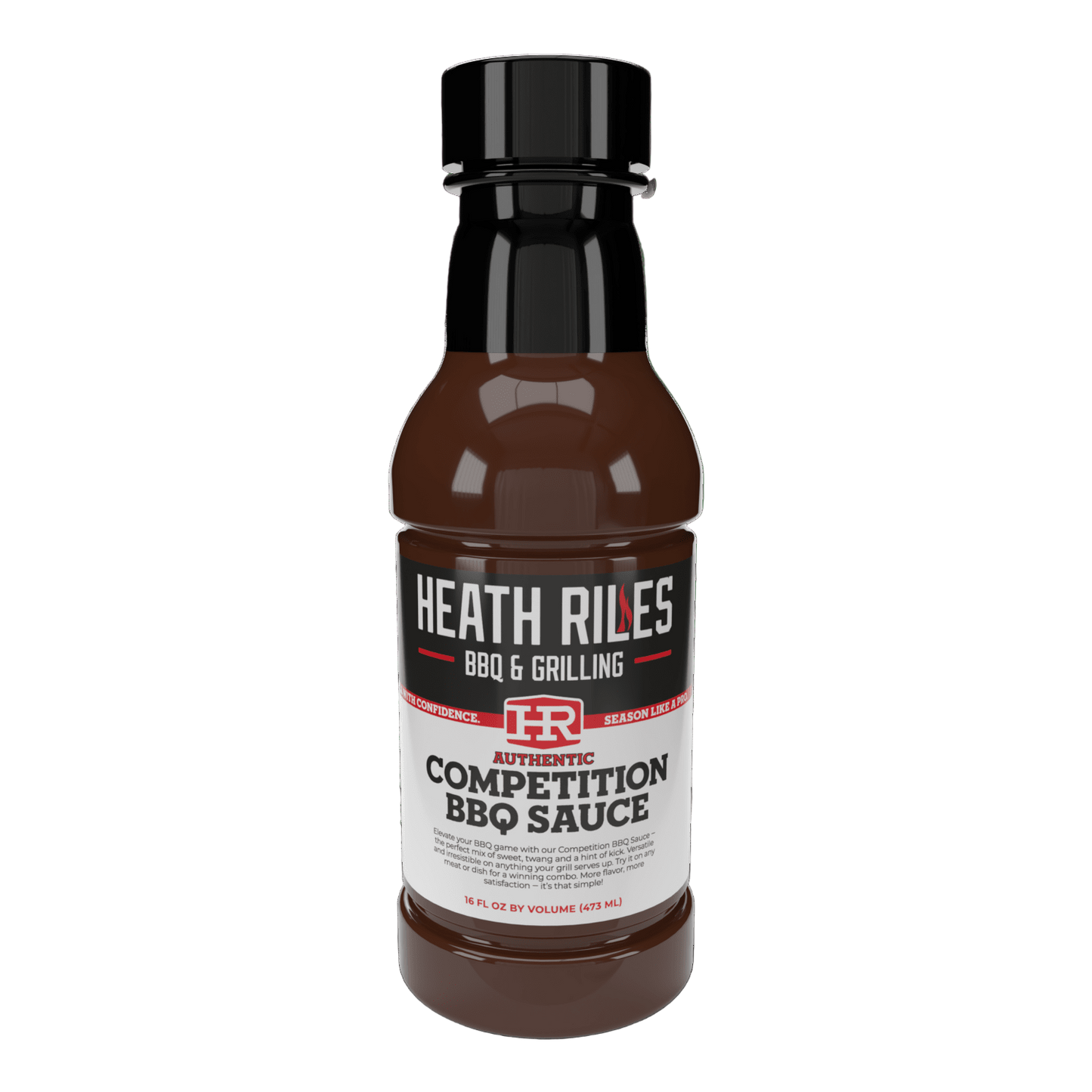
- Heath Riles BBQ Competition BBQ Rub. This rub delivers balanced seasoning and deep color without overpowering the pork. It’s designed to perform under higher heat, making it ideal for drum smoker cooking where heavy rubs can burn or set too fast.
- Heath Riles BBQ Pecan Rub. The Pecan Rub adds warmth, subtle sweetness, and depth that pairs perfectly with pork, especially during hot-and-fast cooks.
- Butter. Butter is essential during the wrap phase. It enriches the ribs, helps conduct heat, and contributes to that silky, competition-style texture judges look for.
- Heath Riles BBQ Tangy Vinegar BBQ Sauce. This vinegar sauce adds brightness and acidity to balance the richness of rendered fat and butter during the wrap stage.
- Turbinado sugar. Used lightly to enhance sweetness without burning under higher heat. This isn’t about candy-sweet ribs — it’s about balance.
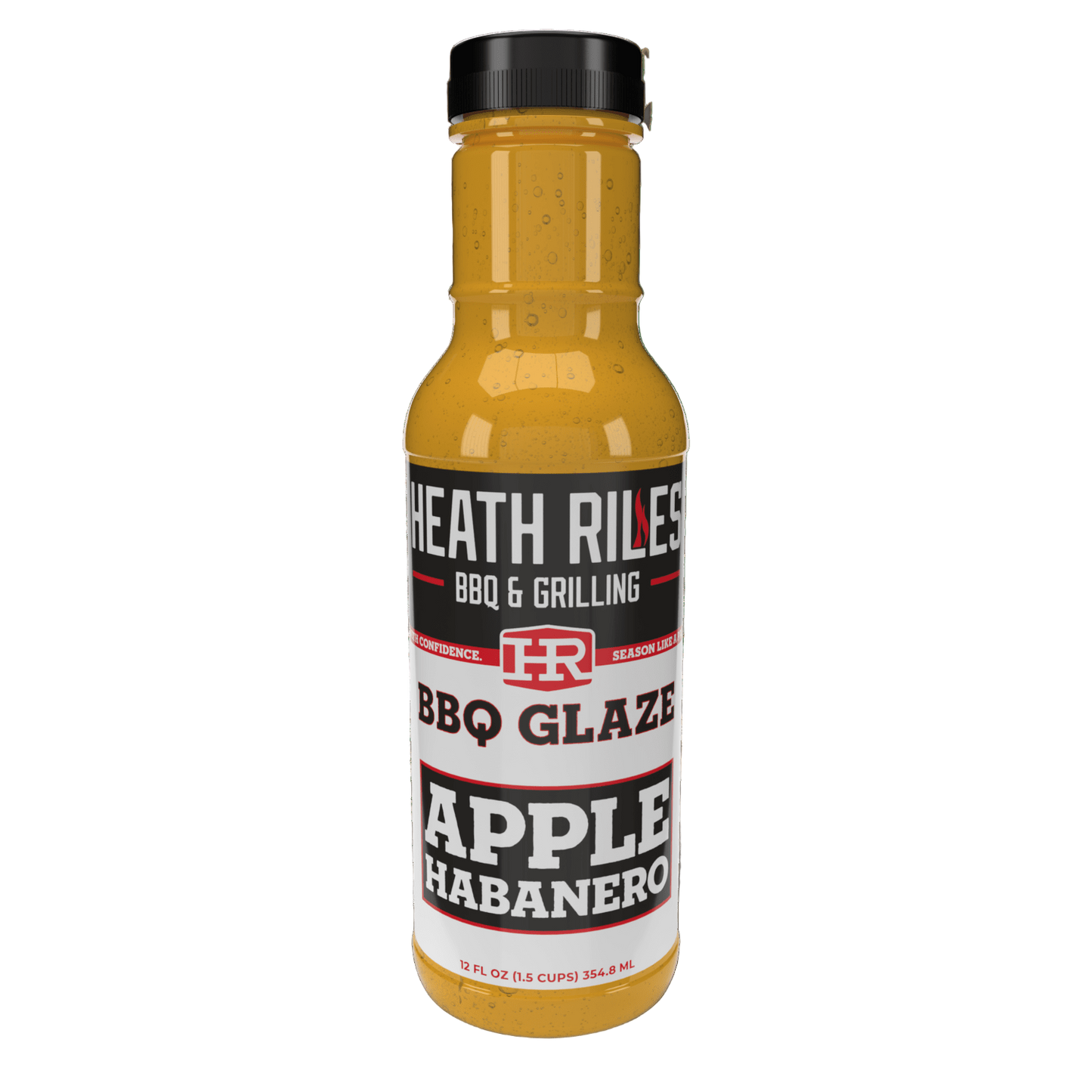
- Heath Riles BBQ Cherry Apple Habanero Glaze. Adds a controlled layer of heat and fruit sweetness without overpowering the ribs or changing their identity.
- Maple syrup (optional). Used sparingly during finishing to add depth and shine without dominating the flavor profile.
- Gettin’ Basted “The Show” Sauce. Brad’s signature sauce brings balance, gloss, and flavor while still letting the ribs shine.
The Smoker Setup
Here’s what we used to cook these ribs to perfection:
- Gateway Drum Smoker. The Gateway Drum Smoker is ideal for hot-and-fast rib cooking thanks to efficient airflow, radiant heat, and consistent performance. Drum smokers reward cooks who pay attention and punish those who over-manage the fire.
- Royal Oak Hardwood Lump Charcoal. Royal Oak Hardwood Lump Charcoal provides clean burn, steady heat, and excellent flavor — perfect for drum smoking ribs.
Fire up your Gateway Drum Smoker with Royal Oak Hardwood Lump Charcoal and allow it to stabilize around 300°F. Brad emphasizes not chasing exact numbers — instead, watch the smoke draw from the stack, the sound of the fire, and how the ribs respond on the grate.
The Process for Making Championship Drum-Smoked Ribs
Prep the ribs
Trim the ribs as needed, cleaning up ragged edges and removing most of the membrane from the bone side. Brad often leaves a small portion of membrane near the top of the rack to help prevent bone blowouts during the cook. This step is about performance, not perfection.
Season lightly
Season both sides of the ribs with Heath Riles BBQ Competition BBQ Rub and Heath Riles BBQ Pecan Rub. Drum smokers run hotter than offsets, so lighter seasoning works better and prevents the rub from burning or setting too fast.
Let the ribs sit for about 30 minutes so the rub can sweat in naturally. No binder is needed — the meat’s natural moisture does the work.
Get the ribs on the smoker
Using heat-resistant gloves, place the ribs meat-side up directly over the fire on the Gateway Drum Smoker. Close the lid and let them cook undisturbed while color develops and fat begins to render.
Flip and manage color
After about 45 minutes, flip the ribs and continue cooking. Rotate as needed, moving ribs on and off direct heat to manage color. Total unwrapped cook time is usually around 1½ hours, but color — not time — determines when they’re ready to wrap.
Wrap for tenderness
Once the ribs reach a deep, competition-style barbecue color, wrap them tightly in aluminum foil with butter, Heath Riles BBQ Tangy Vinegar BBQ Sauce, turbinado sugar, and a light line of Heath Riles BBQ Cherry Apple Habanero Glaze.
Start meat-side up, then flip partway through the wrap phase. Move wrapped ribs over indirect heat or a water pan on the Gateway Drum Smoker to gently braise.
Cook to feel, not time
Check ribs every 15–20 minutes. Use a toothpick or probe to test tenderness — it should slide in with little resistance. Internal temperatures often reach 205–208°F, but feel matters more than numbers.
Rest the ribs
Remove ribs from the smoker and let them rest for at least one hour. Resting is critical for hot-and-fast ribs, allowing juices to redistribute and texture to tighten back up.
Slice, sauce, and set
Slice the ribs using a sharp slicing knife. Lightly brush with maple syrup (optional) and Gettin’ Basted “The Show” Sauce using a basting brush. Finish with a light dusting of the same rub used earlier for color pop.
Return sliced ribs to the Gateway Drum Smoker for 10–15 minutes to set the sauce and add shine. A small handful of pellets can be added at this stage for a final boost of smoke aroma.
The Results
These Championship Drum-Smoked Ribs come off the Gateway Drum Smoker with deep red color, glossy sauce, and fully rendered fat. The ribs deliver a clean bite that pulls easily from the bone without falling apart — tender without being mushy, rich without being greasy.
This is exactly how championship ribs are meant to eat.
Serving Suggestions for Championship Drum-Smoked Ribs
These Championship Drum-Smoked Ribs are rich, smoky, and packed with bold flavor on their own — but pairing them with classic barbecue sides takes the meal to another level. Here are a few of my favorite Heath Riles BBQ recipes that make perfect companions:
- Creamy Coleslaw — Cool, creamy, and tangy, this coleslaw brings brightness and crunch that cuts through the richness of smoked ribs. It’s a must-have side for any barbecue plate.
- Classic Southern Potato Salad — A timeless Southern favorite with tender potatoes, creamy dressing, and bold seasoning. This potato salad adds comforting texture and flavor to your rib feast.
- Maple Honey BBQ Baked Beans — Sweet, smoky, and hearty, these baked beans bring depth and richness that pair perfectly with pork ribs.
Storing Leftovers
Store leftover ribs in an airtight container in the refrigerator for up to 3–4 days. Reheat gently on the Gateway Drum Smoker or in the oven to maintain texture and moisture.
Final Thoughts
This Championship Drum-Smoked Rib recipe showcases why Brad Leighninger is considered one of the best rib cooks in the country. His approach focuses on fundamentals — meat selection, fire management, color, and feel — rather than rigid timelines or trendy techniques.
Master these principles, and you can produce ribs that eat like a winning turn-in right in your own backyard.
Equipment and Tools
Gateway Drum Smoker, Royal Oak Hardwood Lump Charcoal, Aluminum foil, Basting brush, Sharp slicing knife, Thermapen ONE, Heat-resistant gloves


