

Tips on Building BBQ Bark
What Is BBQ Bark?
BBQ bark is the dark, flavorful crust that forms on the surface of smoked meats like brisket during a long cook. It develops when seasoning, smoke, rendered fat, and moisture interact under heat, creating a rich, textured layer that delivers concentrated flavor and a signature barbecue bite.
Heath Tip: Bark isn't just about looks. A great bark adds texture, concentrated flavor, and a hint of smoke in every bite. If your brisket comes off the smoker without bark, you're leaving the best part of BBQ on the table.
The Science Behind Bark Formation
Great BBQ bark doesn’t happen by accident. It’s the result of four key processes working together throughout the cook. When all four are in sync, you get that deep, dark, flavorful crust. Miss one, and your bark suffers.
- Maillard Reaction - This is where the magic starts. As heat builds, proteins and sugars on the surface of the meat react, creating that deep brown color and rich, savory flavor.
- Smoke Adsorption - In the early stages of the cook, the surface of the meat is moist and tacky. That’s when smoke compounds latch on and begin building flavor. Clean, thin blue smoke is key.
- Fat Rendering - As the brisket cooks, fat renders and moves across the surface, helping bind seasoning and smoke into a cohesive bark layer.
- Moisture Loss - As moisture evaporates, the surface dries and concentrates flavor into that crusty exterior.
All four of these must work together—break one, and your bark suffers.
The Stages of Brisket Bark
Stage 1. The Tacky Stage (First 1 to 2 Hours)
The rub pulls moisture to the surface, creating a sticky layer that helps smoke adhere. This is where bark begins.
Stage 2. The Setting Stage (2 to 5 Hours)
Color deepens and the rub begins to set. The surface transitions from wet to bonded.
Stage 3. The Bark Forming Stage (5 to 8 Hours, Around the Stall)
Moisture evaporates rapidly and bark starts firming up. This is where that deep color and texture develop.
Stage 4. The Mature Bark Stage (8+ Hours)
The bark is fully formed—dark, firm, and locked in. Now it’s about finishing without damaging it.
Heath Tip: Don’t poke, prod, or spritz too early. The first two hours are when smoke is binding to your rub. Every time you open the lid in the tacky stage, you're slowing bark development.
What Makes a Good Bark vs a Bad Bark
Good Bark Signals:
- Dark mahogany to near-black color
- Firm but not hard
- Holds together when sliced
- Deep, concentrated flavor
Bad Bark Causes:
- Soft or mushy bark from early wrapping or too much moisture
- Pale bark from low temps or weak smoke
- Bitter bark from dirty smoke or too much sugar
- Patchy bark from uneven rub or wet surface
Best BBQ Rub for Bark
A great bark starts with the right rub:
- Coarse salt builds structure
- Black pepper adds texture
- Balanced sugar supports caramelization
- No fillers means better adhesion
For serious brisket cooks, Heath Riles Beef Rub is built for this exact purpose. It delivers a savory balance that sets cleanly during long cooks.
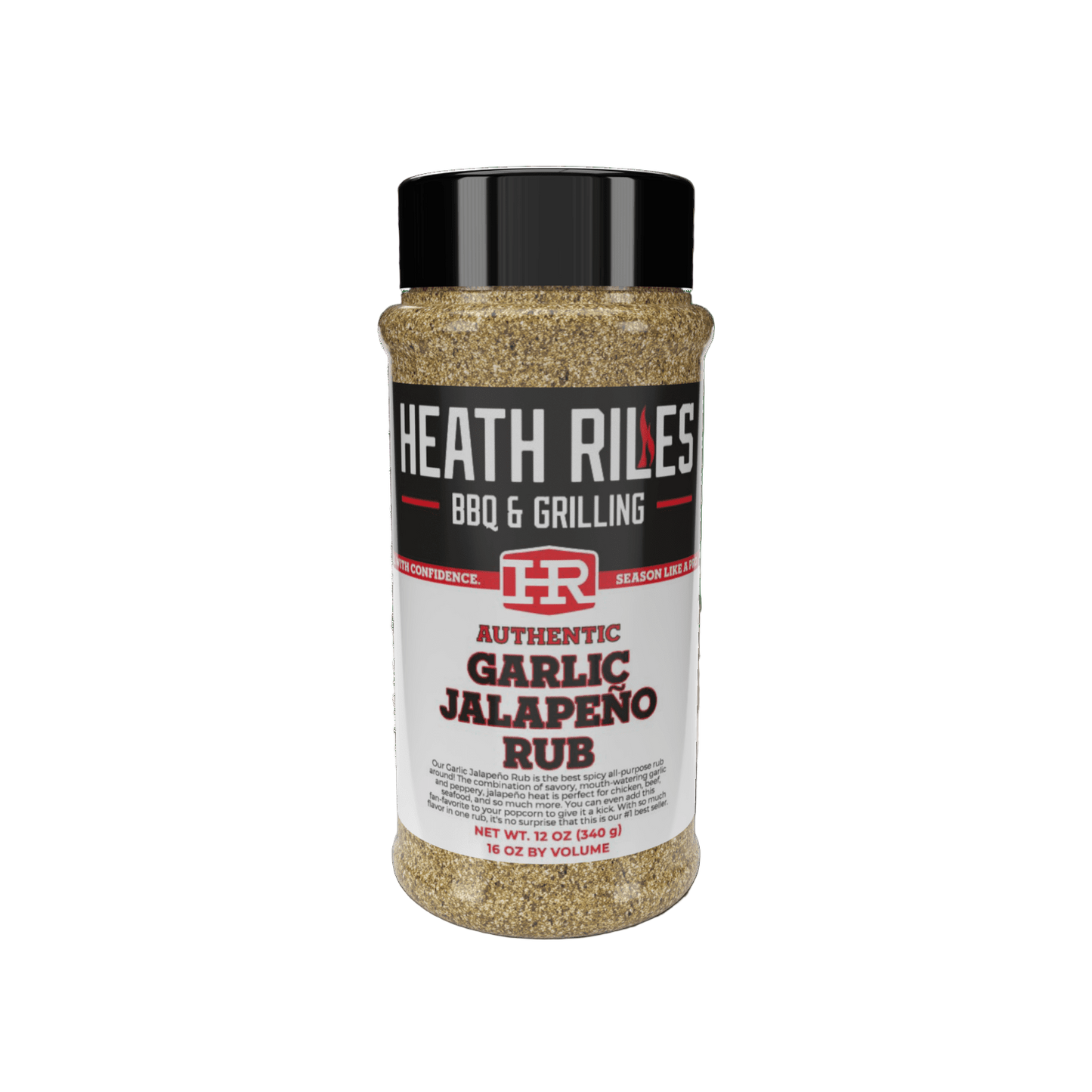
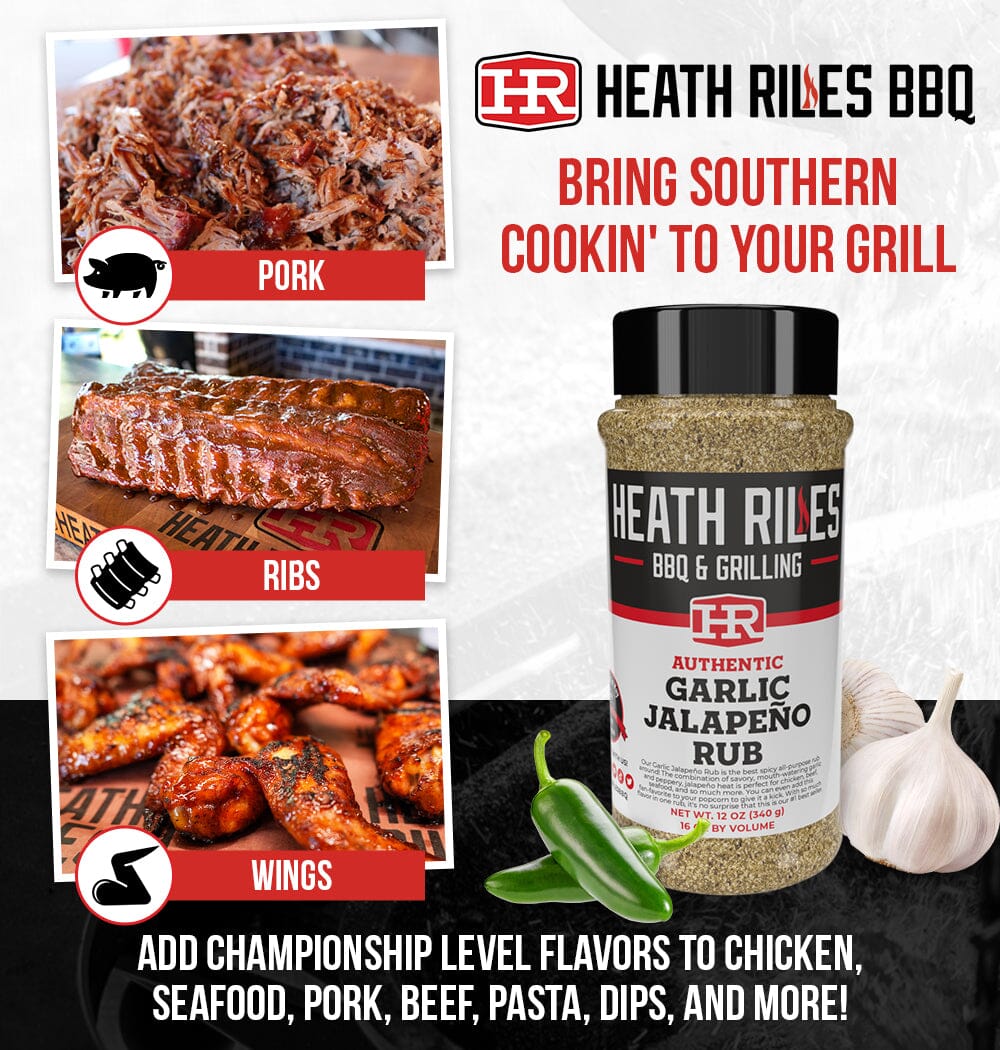
For layered flavor, combine it with Heath Riles Garlic Jalapeno Rub to add depth and a subtle kick that holds up through the bark.
How to Get Better Bark on Brisket (and Other Smoked Meats)
Apply Rub Generously and Let It Set
Use a heavy coat and let it sit for 30 minutes so it binds to the surface.
Cook Unwrapped Through the Stall
Keep the brisket unwrapped early so bark can develop properly.
Manage Smoke Quality
Stick with clean, thin blue smoke for the best flavor and color.
Don't Over-Spritz
Too much moisture can wash away bark before it sets.
Hold Steady Cook Temps
Maintain 250–275°F for ideal bark development.
Heath Tip: If you're wrapping for moisture protection, use Butcher paper instead of foil. You keep bark integrity while still pushing through the stall.
Brisket Bark Not Forming? Common Fixes
|
Problem |
Likely Cause |
Fix |
|
No bark at all |
Low temp, light rub, early wrap |
Raise temp, apply more rub, delay wrapping |
|
Bark looks pale |
Not enough smoke, weak rub |
Add wood, use better rub |
|
Bark is soft |
Too much moisture |
Switch to butcher paper, reduce spritzing |
|
Bark is bitter |
Dirty smoke or high heat |
Clean fire, lower temp |
|
Bark won’t stick |
Surface too wet |
Pat dry, apply more rub |
Building Bark on Other Smoked Meats
Pork Shoulder / Boston Butt
Pork benefits from sweeter rubs that caramelize into a rich crust.
Ribs
Ribs cook faster, so balance sugar and heat to avoid burning.
Beef Short Ribs
Similar to brisket—focus on coarse rub and steady temps.
For pork, Heath Riles Honey Rub creates a beautiful caramelized bark with balanced sweetness.
Bark Is Earned, Not Lucky
Great bark comes from understanding the process and executing every step with intention.
Fire up your smoker and season with Heath Riles BBQ. Beef Rub for brisket, Honey Rub for pork—both designed to deliver bark that stands out in the backyard or on the competition circuit.
FAQ Section
Q: What is bark on brisket?
A: Bark on brisket is the dark, flavorful crust that forms during a long smoke when rub, smoke, fat, and moisture interact under heat.
Q: How do you get a good bark on brisket?
A: Apply rub generously, cook at 250–275°F, delay wrapping, and avoid over-spritzing.
Q: Why is my brisket bark not forming?
A: Usually due to low temps, light rub, early wrapping, or too much moisture.
Q: What is the best brisket rub for bark?
A: A rub with coarse salt, pepper, and balanced sugar like Heath Riles Beef Rub.
Q: What are the stages of brisket bark?
A: Tacky stage, setting stage, bark forming stage, and mature bark stage.


