

Dry Rub vs. Wet Rub: What’s the Difference and Which Works Best for BBQ?
Dry rubs and wet rubs both belong in BBQ, but they do very different jobs. Choosing between them isn’t about right or wrong, it’s about understanding how each one interacts with meat, heat, and time. The type of rub you use directly affects bark formation, moisture retention, and how flavor develops throughout the cook. Once you know what each method does best, picking the right rub blend or layer becomes easy, and your BBQ gets more consistent every time.
What Is a Dry Rub?
A dry rub is a blend of dry seasonings applied directly to meat before cooking, without adding liquid.
Dry Rub Basics
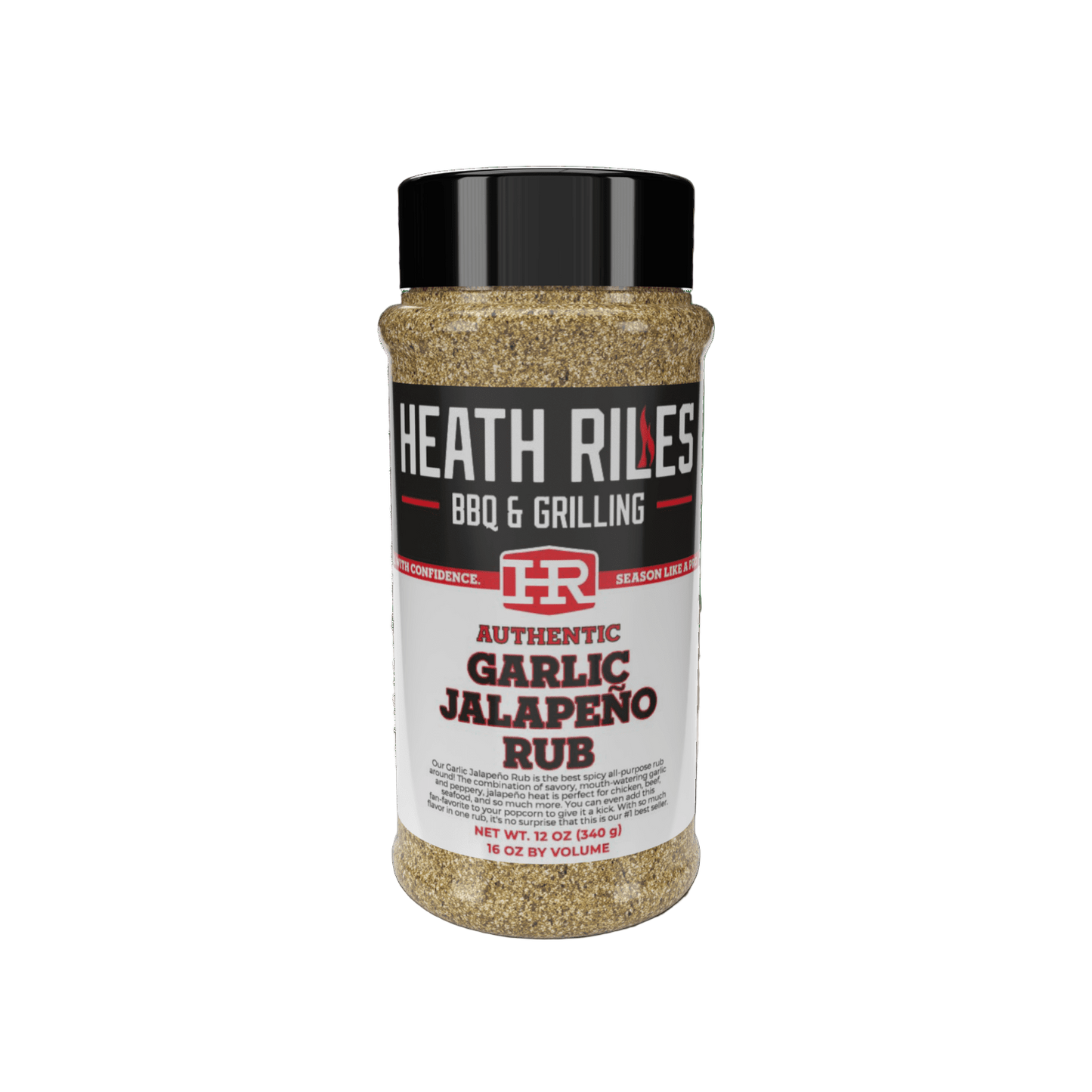
A dry rub is made from dry bbq seasoning ingredients like spices, salt, and sugar. When applied to meat, it doesn’t stay dry for long. Salt in the rub begins pulling moisture to the surface, naturally forming a paste as the cook starts.
That process helps the seasoning cling to the meat while still allowing the surface to dry over time. Dry rubs aren’t designed to add moisture, they’re designed to work with the meat’s natural moisture and the cooking environment.
How Dry Rubs Affect Meat
Dry rubs play a major role in bark and crust formation. As moisture slowly evaporates during cooking, the seasoning sets and firms up on the surface. This encourages even browning and creates the textured exterior most people associate with great BBQ.
Because dry rubs rely on gradual moisture movement and surface drying, they work best when meat has time to cook slowly and steadily.
When to Use a Dry Rub
Dry rubs are ideal for large cuts like brisket, pork shoulder, and ribs. These proteins benefit from low-and-slow cooking, where time allows bark to develop and flavors to build naturally.
Anytime bark, crust, and texture are the goal, a dry rub is the right choice.
What Is a Wet Rub?
A wet rub is a seasoning mixture where dry rub is combined with a liquid and applied as a paste.
Wet Rub Basics
Wet rubs start with a dry rub and add oil, mustard, or another liquid seasoning. The added moisture helps seasoning adhere to the meat immediately, rather than waiting for natural moisture to draw it in.
Because of that, wet rubs stay more surface-focused. They coat the exterior evenly and don’t rely on long cooking times to activate.
How Wet Rubs Affect Meat
Wet rubs slow surface drying. That moisture keeps the exterior softer, which reduces crust formation but helps retain tenderness. Flavor impact happens early in the cook, making wet rubs especially useful when time is limited.
Instead of building bark, wet rubs prioritize early flavor and moisture control.
When to Use a Wet Rub
Wet rubs work best on chicken, pork chops, and thinner cuts that cook hot and fast. These proteins don’t stay on the grill long enough to benefit from slow bark formation, so quick seasoning adhesion matters more.
Anytime you need seasoning to stick immediately or want strong early flavor, wet rubbing makes sense.
Dry Rub vs. Wet Rub — Key Differences
Understanding the differences between dry rubs and wet rubs helps you match the right technique to the cook.
Moisture & Surface Texture
Dry rubs promote bark formation by allowing the surface to dry gradually. As moisture escapes, the seasoning firms up and creates texture.
Wet rubs retain surface moisture, keeping the exterior softer. Moisture control matters because it directly impacts how the outside of the meat sets during cooking.
Flavor Development
Dry rubs build flavor gradually over time. As the cook progresses, salt and seasoning work deeper into the surface, creating layered flavor.
Wet rubs deliver immediate impact. Because the seasoning is already activated, flavor shows up early. Salt behaves differently, dry rub salt pulls moisture out first, while wet rub salt stays more surface-level.
Cook Time Compatibility
Long cooks favor dry rubs. The extended time allows moisture to escape and bark to form properly.
Short-to-medium cooks favor wet rubs. On longer cooks, wet rubs can work against bark formation by keeping the surface too moist.
Dry Rub vs. Wet Rub FAQs
Does a wet rub prevent bark from forming?
Wet rubs don’t completely prevent bark, but they slow it down. The added moisture softens the surface, making it harder for bark to fully develop, especially on long cooks.
How long should a dry rub sit before cooking?
Dry rubs can be applied right before cooking or allowed to sit longer. Either way, salt will begin drawing moisture to the surface once heat is applied, starting the bark-building process.
Is mustard considered a wet rub?
Mustard on its own acts as the liquid component of a wet rub. When combined with dry seasoning, it helps adhesion and adds moisture, even though its flavor usually cooks off.


