

Wrapping Brisket and Pork: What Foil, Butcher Paper, and Butter Bath Actually Do
Wrapping is one of those decisions that can make a big difference in the final result of your cook. Foil, butcher paper, and butter bath all do something a little different, and the right choice depends on what you're cooking and what kind of finished product you're after.
Whether you're cooking brisket, pork butt, or ribs, understanding what each wrapping method actually does will help you get better results every time. Let's break down when to wrap, what each method does, and how to choose the right one for your next cook.
Why Wrapping Matters on a Long Cook
What does wrapping do during a long cook? Wrapping during a long cook controls how moisture behaves around the meat, helping push through the stall while protecting the meat in different ways. Depending on whether you use foil, butcher paper, or a butter bath, you can speed up the cook, preserve bark, add fat and flavor, or find the balance that works best for your cook.
One of the biggest reasons pitmasters wrap is to help get through what's known as the Texas Crutch. As moisture evaporates from the surface of the meat, the internal temperature can stall for hours. Wrapping changes that environment, but every method creates a different result. That's why wrapping isn't just about getting through the stall, it's about deciding what matters most for the finished product.
When to Wrap Brisket and Pork: Reading the Meat, Not the Clock
Knowing when to wrap brisket or pork butt comes down to reading the meat, not watching the clock. Internal temperature gives you a good reference point, but color, bark development, and feel are what should ultimately tell you it's time to wrap.
Here's what you're looking for on each cut.
|
Protein |
Wrap Temp |
Visual Cue |
Pull Temp |
Notes |
|
Brisket |
150–170°F |
Bark set with a deep mahogany color |
200–205°F |
Go by color and feel first, temperature second. |
|
Pork Butt / Shoulder |
150–160°F |
Color developed and fat beginning to render |
200–206°F |
Foil is a great choice here because the steam helps break down fat and connective tissue. |
|
Ribs |
Look and feel |
Quarter-inch bone pullback and rich mahogany bark |
195–203°F |
Visual cues matter more than temperature when deciding to wrap. |
Every cook is a little different. Weather, your smoker, the size of the meat, and even the type of fuel you're using can all affect timing. Instead of chasing an exact number on the thermometer, pay attention to how the meat looks. Once the bark has developed and the color is where you want it, that's the time to make your move.
Wrapping in Foil: The Texas Crutch Method
The Texas Crutch is simply wrapping meat in aluminum foil during the cook to trap heat and moisture. It's one of the fastest and most reliable ways to push through the stall while producing incredibly tender barbecue.
What Foil Does to the Meat
Foil traps nearly all of the moisture around the meat, creating a steaming environment inside the wrap. That extra moisture helps speed through the stall while keeping the meat incredibly juicy and tender. The tradeoff is that the bark softens as it steams.
What you get:
- Faster finish time
- Ultra-tender meat
- Maximum moisture retention
What you give up:
- Bark texture
- Some of the smoke crust that developed during the unwrapped portion of the cook
If tenderness is your top priority, foil is hard to beat.
When to Wrap Brisket and Pork in Foil
If you're cooking on a schedule or competing, foil is often the best option. It gives you more control over your timeline while helping ensure a tender finished product.
For pulled pork, foil is my go-to wrap. The steam created inside the foil does an excellent job breaking down fat and connective tissue, making it easier to pull once it reaches finishing temperature.
You can see this method used in my recipes for Championship Pulled Pork on the Traeger Ironwood XL, Easy Overnight Pork Butt, and Hot and Fast vs. Low and Slow Pork Butt.
How to Wrap in Foil
- Tear off a sheet of heavy-duty aluminum foil large enough to completely wrap the meat.
- Place the meat meat-side down on the foil.
- Add your preferred liquid before sealing. Apple juice, honey, brown sugar, or Heath Riles BBQ Butter Bath & Wrap all work well.
- Wrap the meat tightly, making sure there are no major air pockets.
- Double-wrap if needed, especially during longer cooks, to help prevent leaks before returning the meat to the smoker.
What Butcher Paper Does: Better Bark, Slower Finish
Pink butcher paper, sometimes called peach paper, protects the meat while still allowing it to breathe during the cook. Unlike foil, it doesn't completely trap moisture, which helps preserve the bark and smoke crust you've spent hours building.
If you want to see all three wrapping methods compared side by side, check out Ribs 3 Ways, where I cook the same ribs using foil, butcher paper, and no wrap.
What Wrapping in Butcher Paper Does to the Meat
Because butcher paper allows some moisture to escape, the bark stays drier and firmer throughout the cook. You still get some moisture retention, but not to the same extent as foil. The result is a brisket or rack of ribs with a stronger bark, a deeper smoke flavor, and a little more bite.
What you get:
- Better bark preservation
- Deeper smoky flavor
- Firmer bite
What you give up:
- Some moisture compared to foil
- A slightly longer finish time
If you've ever wondered why one brisket has a crisp, well-defined bark while another seems soft, the wrapping method usually plays a big role.
Want to see what that difference looks like? Take a look at Fall Off the Bone vs. Properly Cooked Ribs to see how bark and texture affect the finished product.
When to Use Butcher Paper
When people ask me when to wrap brisket in butcher paper, my answer is simple: wrap it once the bark has developed the color and texture you want. You're still looking for that rich mahogany color and a bark that's set, but instead of trapping all the moisture like foil, butcher paper lets the meat continue to breathe as it finishes cooking.
If bark is your priority, butcher paper is tough to beat. It's a great choice for backyard briskets where you have a little extra time and want to preserve as much of that smoke-heavy crust as possible. It's also an excellent option for dry-style ribs where the bark is part of what makes the finished product so good.
How to Wrap in Butcher Paper
- Cut a sheet of pink butcher paper large enough to completely wrap the meat.
- Place the meat meat-side down on the paper.
- If you'd like, add a little moisture before wrapping. Apple cider vinegar, a splash of beer, or Heath Riles BBQ Butter Bath & Wrap all work well.
- Wrap the meat tightly, but don't worry about creating an airtight seal. The paper is designed to breathe.
- Return the meat to the smoker and continue cooking until it reaches your target tenderness.
What a Butter Bath Does: Moisture, Fat, and Flavor From the Inside
A butter bath takes wrapping one step further by adding moisture, fat, and flavor inside the wrap while the meat finishes cooking.
What a Butter Bath Actually Does
A butter bath is a pre-mixed blend that's added inside the wrap before sealing. During the wrapped portion of the cook, it delivers moisture while also introducing fat and flavor that work into the meat. On ribs and pork shoulder, it helps the meat stay juicy through the stall while adding richness that plain liquid wraps simply can't provide.
Unlike using apple juice or another liquid by itself, a butter bath provides additional benefits.
What it does beyond plain liquid:
- Adds fat along with moisture for richer flavor and tenderness.
- The butter and brown sugar blend helps the bark recover once the meat is unwrapped and returned to the pit.
Butter Bath for Ribs
A butter bath works with both foil and butcher paper. Inside foil, it creates an incredibly rich, moist environment that helps produce tender ribs. Inside butcher paper, it helps replace some of the moisture that naturally escapes through the paper while still allowing you to preserve more of the bark.
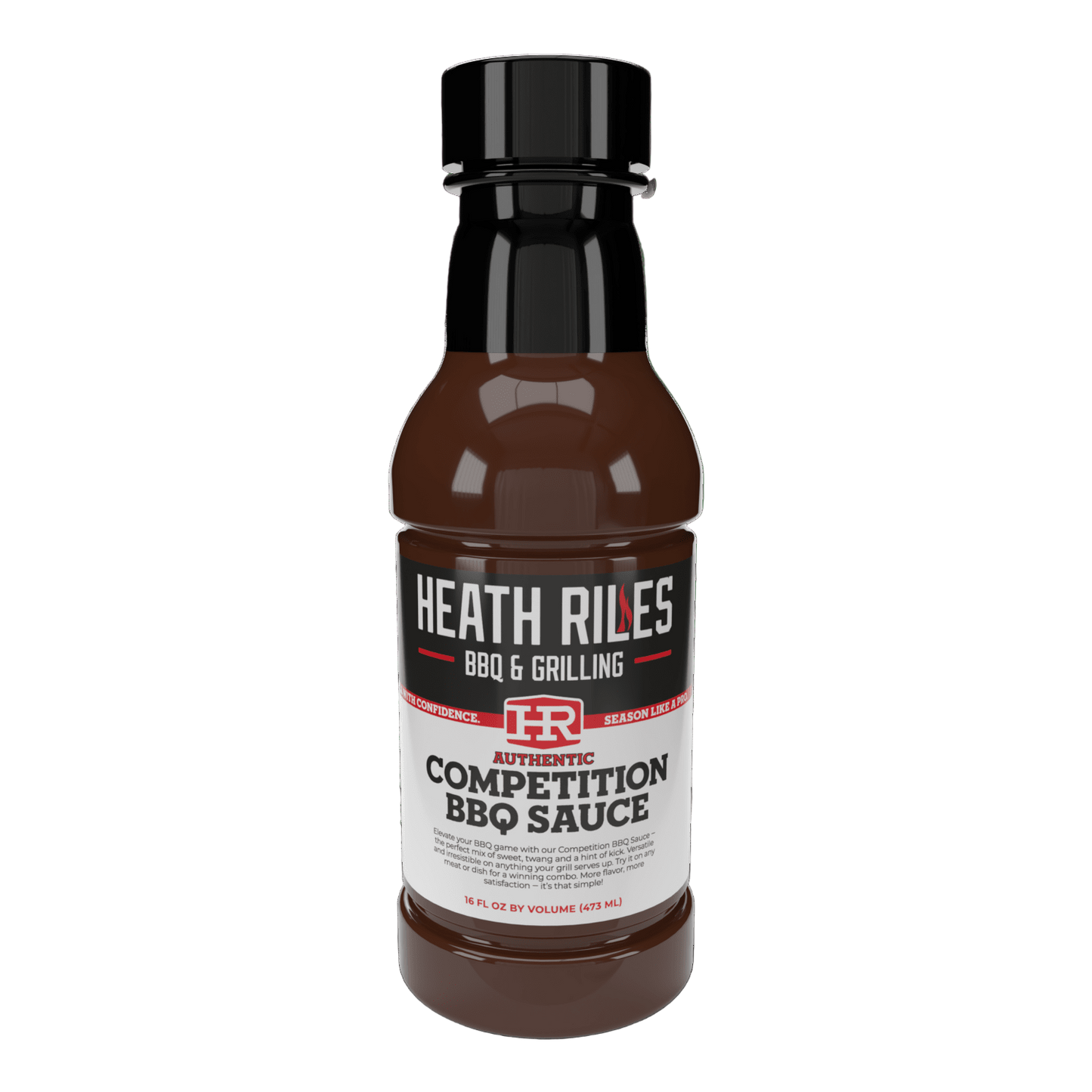
Grill Tip: Mix Heath Riles BBQ Butter Bath & Wrap according to the package directions, pour it over the ribs before sealing the wrap, and continue cooking until they're tender. It's the same product used as part of the wrapping process that helped win back-to-back Memphis in May Grand Championships.
Butter Bath for Pulled Pork
The butter bath method works just as well on pork butt as it does on ribs. During the wrapped portion of the cook, the added fat and moisture help the shoulder stay juicy while the connective tissue continues to break down, making it easier to pull once it reaches finishing temperature.
Grill Tip: Mix the product with water or apple juice according to the package instructions, pour it over the pork butt before wrapping, then seal it tightly and return it to the smoker until probe tender.
If you'd like a deeper look at how the method works, check out What Is a Butter Bath? How to Use It.
Foil vs. Butcher Paper vs. Butter Bath: Which One Should You Use?
At the end of the day, there isn't a single "best" wrapping method. Each one has its place depending on what you're cooking and the result you're after. Here's a quick comparison to help you decide.
|
Method |
Best For |
Bark |
Finish Time |
Use When |
|
Foil |
Brisket, pork butt, competition ribs |
Softens |
Faster |
You need maximum tenderness or you're cooking on a deadline. |
|
Butcher Paper |
Brisket, backyard ribs, dry-style ribs |
Preserved |
Slightly longer |
You want to keep the bark and smoke crust intact. |
|
Butter Bath & Wrap |
Ribs, pork shoulder, used inside foil or butcher paper |
Softens in foil, preserved in butcher paper |
No change |
You want to add fat and flavor while using your preferred wrapping method. |
For pork shoulder specifically, foil continues to be my go-to choice when I'm making pulled pork. The moisture trapped inside the wrap helps break down fat and connective tissue, giving you the tenderness you're looking for when it's time to pull the meat.
That said, butcher paper is still a solid option if preserving bark and smoke flavor is your priority and you're willing to let the cook take a little longer.
If you want an even deeper dive into wrapping ribs from start to finish, check out Heath's Guide to Wrapping Ribs.
Do You Have to Wrap Brisket?
The short answer is no, you don't have to wrap a brisket.
Some pitmasters prefer a no-wrap brisket because it develops an incredibly firm bark and deep smoke flavor. The tradeoff is that the stall lasts longer, and the flat has a greater chance of drying out if you're not paying close attention.
For most backyard cooks, wrapping is worth it. Whether you choose foil or butcher paper depends on what matters most to you. If you're chasing maximum tenderness, foil is hard to beat. If preserving bark is your goal, butcher paper is the better choice.
Pick Your Method and Fire It Up
Every cook is different, and there's no single wrapping method that works best for every situation. The right choice comes down to what you're cooking, how much time you have, and what kind of finished product you want to put on the table.
The good news is that once you understand what each method actually does, you can make that decision with confidence. Whether you're wrapping brisket, pork butt, or ribs, you'll get better results by matching the wrap to your goal instead of following the same process every time.
If you're ready to stock up for your next cook, you'll find everything you need in our Baths, Brines & Injections Collection.
Wrapping BBQ FAQs
When should you wrap brisket?
Wrap brisket when the bark has developed a deep mahogany color and feels set to the touch. While the internal temperature is often somewhere between 150°F and 170°F, the meat should tell you when it's ready, not the clock. Wrapping too early can soften the bark before it's fully developed, while waiting too long can cause the flat to lose moisture.
When should you wrap a pork butt?
Pork butt is typically ready to wrap once it reaches an internal temperature of 150°F to 160°F and the bark has developed a rich, dark color. Before sealing the wrap, add a little liquid or Heath Riles BBQ Butter Bath & Wrap, then continue cooking until the meat reaches 200°F to 206°F and probes tender.
Should I wrap pork shoulder in foil or butcher paper?
For pulled pork, I recommend foil. It holds in more moisture during the stall and helps break down the fat and connective tissue that give you tender, easy-to-pull pork.
If your priority is preserving bark and smoke flavor, butcher paper is still a good option. Just expect a slightly longer cook and a firmer finished bark.
What is the Texas Crutch in BBQ?
The Texas Crutch is the practice of wrapping meat in foil during the cook to trap heat and moisture. It helps push through the stall more quickly while keeping the meat juicy and tender. It's commonly used on brisket, pork shoulder, and ribs, with the tradeoff being a softer bark compared to butcher paper or a no-wrap cook.


