

How to Plan Your Fourth of July BBQ Cook From Start to Finish
You've got one cooker, maybe two, and a whole lot of people coming over. Getting everything to the table at the right time is where most cooks run into trouble, and it's got nothing to do with how good the food is. A little planning the day before is the difference between a cook you enjoy and one that's got you running behind all day.
What to Cook for a Fourth of July BBQ
A good Fourth of July BBQ menu starts with choosing proteins that fit both your crowd size and your cooker capacity.
Cooking for 20 to 30 People
For a group this size, you can feed everyone well without making the cook overly complicated. The key is choosing proteins that give you flexibility throughout the day.
- One smoker or a good two-zone grill can handle a group this size without overcomplicating the day.
- Pulled pork is your best anchor protein. It is forgiving, holds well after cooking, and does not require precise serving timing.
- Ribs make a great second protein but require more attention to timing.
- The Championship Pulled Pork on the Traeger Ironwood XL recipe is a good place to start, and the Easy Pulled Pork Recipe video walks through the full cook if you want to follow along.
Cooking for 30 to 50 or More
Once you reach this crowd size, planning becomes more important than cooking itself. Everything needs to be timed so it finishes within the same serving window.
- At this scale, you are not running every protein at the same time. You are staggering cooks so they finish together.
- Brisket becomes the anchor protein for the entire day.
- Everything else gets scheduled around when the brisket comes off the pit.
- The Easiest Smoked Brisket on the Traeger Timberline 1300 is a good starting point if you have not cooked one before.
The Best Fourth of July BBQ Proteins for a Crowd
When building your fourth of july bbq menu, these proteins consistently perform well for feeding a crowd.
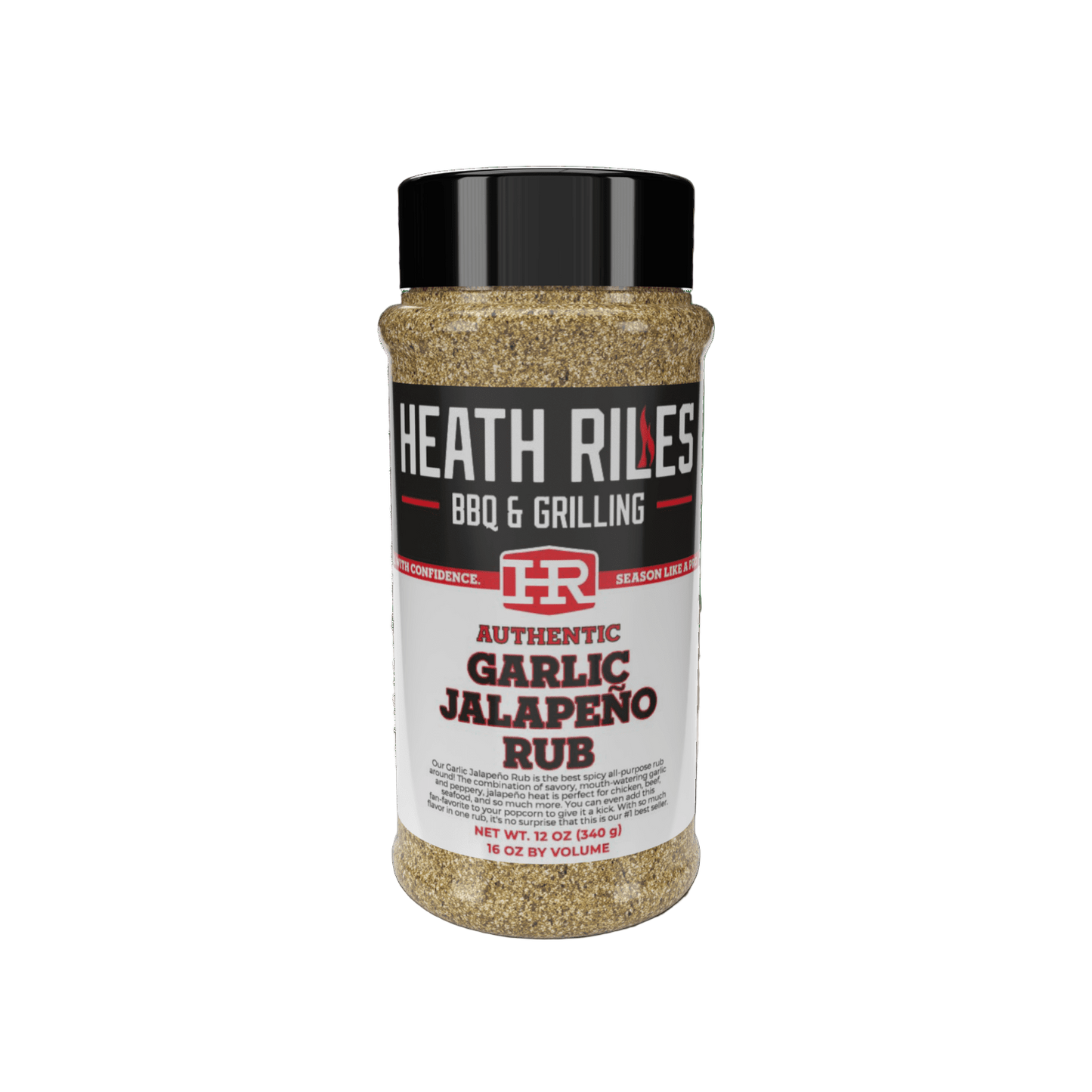
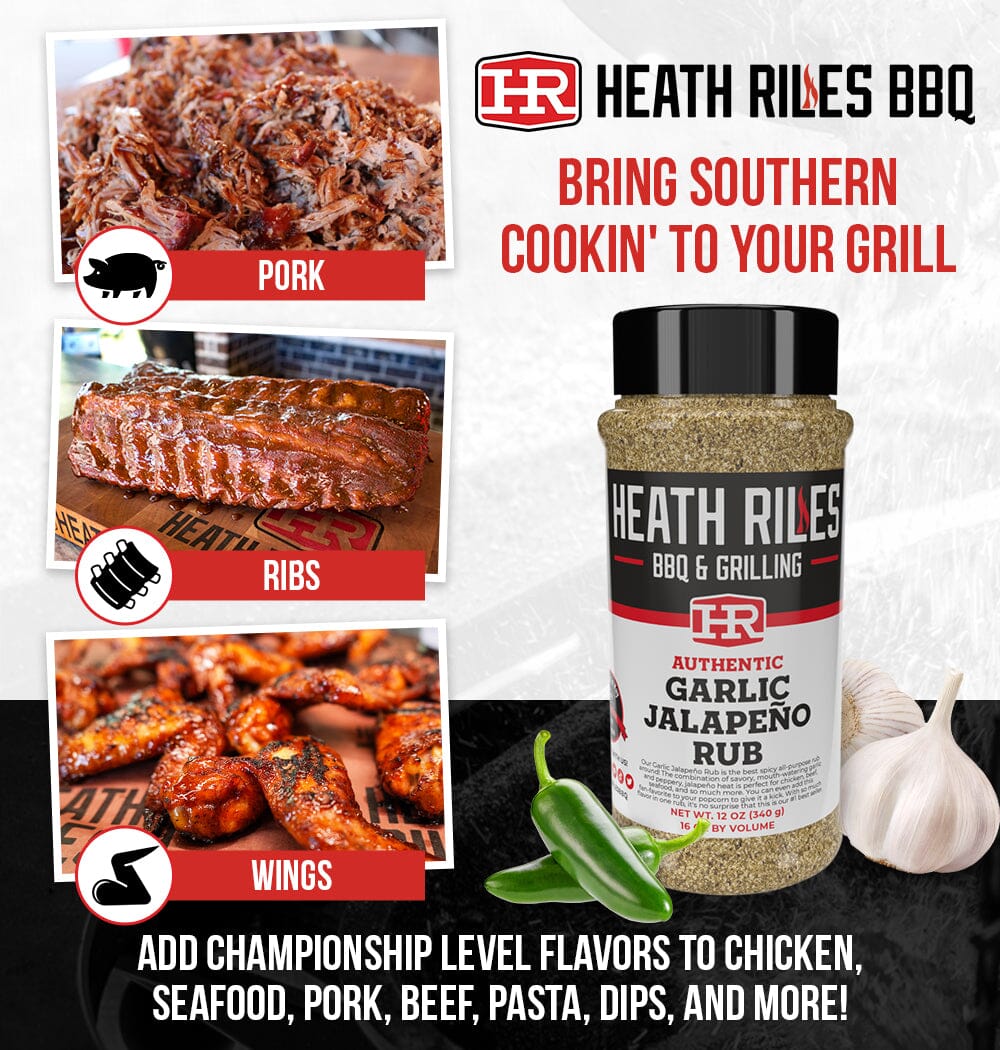
- Pulled pork holds better than anything once it's done, making it ideal when guests eat in waves. Rub pairing: Garlic Jalapeño Rub.
- Brisket is the centerpiece protein for larger gatherings and sets the schedule for the rest of the cook. Rub pairing: Beef Rub.
- Ribs are crowd-pleasing and always disappear fast, but they are the most time-sensitive protein on the list. Rub pairing: Competition BBQ.
- Chicken thighs cook quickly, feed a lot of people, and are easy to add late in the day. Rub pairing: Honey Rub.
- Wings are perfect fill-in proteins that can go on last and still make it to the table on time. Rub pairing: Chicken Rub.
How to Build Your Fourth of July BBQ Timeline
The easiest way to manage a Fourth of July BBQ is to start with when you want to eat and build your schedule backwards.
Start With Serve Time and Work Backwards
Knowing your target serving time helps you create realistic start times for every protein on the cooker.
|
Protein |
Cook Time |
Temp |
Notes |
|
Brisket |
12 to 14 hours |
225° to 250°F |
Plan at least 1 hour rest, 2 if possible |
|
Pork Shoulder |
8 to 10 hours |
225° to 250°F |
Holds well and benefits from a long rest |
|
Ribs |
5 to 6 hours |
250° to 275°F |
Most flexible if something else runs long |
|
Chicken Thighs |
1.5 to 2 hours |
275° to 300°F |
Go on last, pull at 175°F internal |
|
Wings |
1 to 1.5 hours |
275° to 300°F |
Always last on the pit |
How to Stagger a Full Day Cook Without Overcrowding
A staggered schedule keeps your cooker from becoming overloaded and helps everything finish together.
- Brisket or pork shoulder goes on the night before or first thing in the morning.
- Ribs go on mid-morning.
- Chicken and wings go on about 1 to 2 hours before serving time.
- Give everything room on the grate. A brisket crowded next to ribs will not cook the same way.
- Watch internal temperatures closely. The clock is a guide, not a finish line.
If you want to see how sequencing plays out across a full cook day with multiple proteins on the pit, the Large-Scale BBQ Catering video is worth a watch.
Grill Tip: Every brisket cooks a little differently and finish times are never set in stone. Build yourself a one to two hour hold buffer so you're waiting on guests instead of the other way around.
What to Prep the Night Before Your Fourth of July BBQ
The more you can prepare ahead of time, the smoother your fourth of july bbq will run.
Season Your Big Cuts the Night Before
Getting seasoning on your larger cuts ahead of time makes cook day much easier. Overnight seasoning gives the rub time to work into the surface and helps create better bark during the cook.
- Brisket and pork shoulder: Apply rub the night before, wrap in plastic, and refrigerate overnight.
- Ribs: Can be seasoned the day of, but overnight seasoning still improves bark development.
- Chicken and wings: Day-of seasoning works well, but a light coat of mustard or oil helps seasoning stick to cold meat.
Get Everything Staged Before the Fire Goes On
Injections, butter baths, wrap supplies, and any other cooking accessories should be ready before you light the pit. The last thing you want is to be searching for supplies early in the morning while managing a long cook. Side dishes that reheat well can be prepared the day before, allowing you to focus your attention on the smoker when cook day arrives.
How to Hold BBQ Hot for a Crowd
Holding in a Cooler
Wrap brisket or pork shoulder tightly in butcher paper or foil as soon as it comes off the pit. Add a layer of towels around the wrapped meat and place it into a preheated dry cooler. A properly held brisket can stay above 140°F for four hours or more while maintaining moisture and quality. This method is commonly used by competition teams and is one of the best ways to keep barbecue ready for serving.
You can see how Heath runs it at scale in the KCBS Competition BBQ video, with multiple proteins held and served throughout a competition day.
Holding in an Oven
Set your oven to 170°F for ribs, pulled pork, or carved chicken when you need additional holding space. Avoid holding bone-in chicken this way for more than 30 to 45 minutes.
Grill Tip: Give brisket and pork shoulder plenty of time to rest before slicing. Going straight from the pit to the cutting board leaves moisture behind. An hour is the minimum rest time, and two hours is even better.
Fourth of July BBQ Day-of Checklist
- Full cook timeline written out the night before with start times for every protein
- Fire starter, wood, charcoal, or pellets staged and ready
- Thermometer calibrated and batteries checked
- Wrap supplies, gloves, butcher paper, foil, cutting board, and knives organized in one place
- Hold cooler preheated with hot water, drained, and dried before the first protein comes off
- Sides prepped or handed off
Fire It Up and Season It Right
A successful Fourth of July BBQ is not about squeezing more food onto the pit. It is about planning ahead so everything finishes together and stays hot until it is time to serve. A solid plan gives you room to enjoy the cook and the party happening around you instead of chasing the schedule all day. That is what a good Fourth of July BBQ is supposed to feel like.
Fire up your pit and season with Heath Riles BBQ. Competition-tested rubs built for backyard cooks who want to feed a crowd and do it right.
Fourth of July BBQ FAQs
Q: What should I cook for a Fourth of July BBQ for a large crowd?
A: Pulled pork is your safest anchor for a big group. It holds well once it's done and doesn't require precise serve timing. Add ribs as a second protein and wings or thighs last. Those go on an hour or two before the table and fill out the spread without much extra effort.
Q: How do I plan a BBQ timeline for the 4th of July?
A: Work backwards from serve time. A 5 PM table means your brisket goes on by 3 to 5 AM. Pork shoulder follows a similar schedule. Ribs go on mid-morning. Chicken and wings go on last. Build in a hold buffer and you will not be racing the clock when guests show up.
Q: What can I prep the night before a 4th of July BBQ?
A: Get your rub on the brisket and pork shoulder the night before and have your injection, butter bath, and wrap supplies staged and ready. Side dishes that hold well can be finished the night before and reheated, which keeps your full attention on the cooker on cook day.
Q: How far in advance can I cook BBQ for a party?
A: Brisket and pulled pork can be cooked a full day ahead and reheated low and slow at 250°F wrapped in foil. Both hold up well and some cooks argue they taste better the next day once the juices redistribute. Ribs and chicken are better cooked day-of.
Q: How much BBQ do I need for a crowd of 30 or more?
A: Figure about one-third of a pound of finished cooked meat per person. A 10-pound raw pork butt yields roughly 5.5 to 6 pounds of pulled pork, enough for 15 to 18 people. Brisket experiences a similar yield loss of around 40 percent. Scale up from there and plan one protein more than you think you need.


