

When temperatures drop and daylight disappears early, a lot of backyard cooks assume BBQ season is over. Grills get covered, smokers sit idle, and the idea of firing up a pit in freezing weather feels more like a chore than a reward. But the truth is, winter BBQ isn’t just possible, it can be incredibly effective when you understand how cold weather changes the game.
Cold air, wind, and moisture all influence how your grill or smoker performs. Heat escapes faster, fuel burns differently, and temperature control becomes more demanding. That doesn’t mean flavor has to suffer or that winter cooks are reserved for pros only. It simply means you need to approach grilling in the winter with a different mindset and a few smart adjustments.
Cold Weather BBQ Tips: How to Grill in the Winter Without Sacrificing Flavor
If you’ve ever asked yourself, “Can you grill in the winter?” The answer is a clear yes. You just need to know what to expect. Managing fuel, stabilizing temperatures, protecting your pit from the elements, and choosing the right recipes all play a bigger role in bbq once the weather turns cold. These are the same principles pitmasters rely on when cooking year-round, and they’re what keep results consistent no matter the season.
Winter BBQ is also about efficiency. Long, overnight cooks can become more demanding when fuel consumption rises and conditions are unpredictable. Shorter, high-impact cooks often make more sense, letting you maximize flavor without fighting the weather for 12 to 16 hours straight. With the right approach, cold-weather barbecue can be just as satisfying—and sometimes even more rewarding—than cooking in peak summer heat.
This guide breaks down the biggest challenges of cold-weather BBQ and explains how to overcome them with practical, experience-driven tips. Whether you’re running a pellet grill, charcoal setup, or wood-fired pit, these strategies will help you stay confident, cook consistently, and keep bold BBQ flavor on the table all winter long.
Cold Weather BBQ Challenges (and How to Beat Them)
Cold Air Slows Heat Recovery
Lower ambient temperatures mean your grill or smoker has to work harder to get up to temp and stay there. Every time you open the lid, heat escapes faster than it would in warm weather, and recovery times are noticeably longer. That also means fuel consumption goes up as your pit simply burns more to maintain steady cooking temperatures.
Pellet grills can struggle more than insulated stick burners in these conditions. Thin metal bodies lose heat quickly, and the auger has to feed more pellets to compensate. Understanding this upfront helps you plan for longer preheats and increased fuel use instead of fighting temperature swings all cook long.
Wind Disrupts Heat Flow & Stability
Wind is one of the biggest enemies of cold-weather BBQ. It pulls heat from your pit, disrupts airflow, and can create hot and cool zones inside the cook chamber. Even a moderate crosswind can cause temperature fluctuations that make consistent cooking difficult.
Protecting your grill from wind is key to maintaining stable temps. Using a windbreak or simply repositioning your setup to reduce exposure can make a major difference. The goal is to let your pit manage airflow on its own, not fight against the weather.
Moisture Can Affect Wood & Burn Quality
Snow, rain, and high humidity don’t just affect you, they affect your fuel. Damp wood, pellets, or charcoal burn inefficiently and can create inconsistent heat, dirty smoke, and even a bitter flavor. Moisture can also impact your firebox, making it harder to maintain clean combustion.
Keeping fuel dry is critical. Store pellets, charcoal, and wood in covered, moisture-free areas and only bring out what you need. Insulated blankets can also help minimize moisture intrusion while reducing heat loss, especially during longer cooks.
Compensating for Lower Grill Temps
Cold-weather cooking rewards well-insulated pits. Thick-walled smokers and ceramic grills retain heat more effectively, making them easier to control when temperatures drop. These units don’t lose heat as quickly and recover faster after lid openings.
When insulation isn’t on your side, compensating with more heat becomes necessary. Expect longer heat-up times and plan for higher fuel usage. Giving your grill extra time to stabilize before cooking helps prevent chasing temps later in the cook.
Can You Grill with Propane in the Winter?
Propane struggles when temperatures drop below freezing. At -44°F, it won’t vaporize at all, which means it can’t fuel a flame. Even well before that point, cold weather causes pressure loss inside the tank, leading to inaccurate readings, weak flames, and unexpected flame-outs.
These issues can result in wasted fuel and undercooked food. That’s why many pitmasters lean toward charcoal, wood, or pellet grills when winter hits. They’re more consistent in cold conditions, provide better smoke flavor, and don’t shut down when temperatures dip.
Smart Setup Tips for Grilling in Cold Weather
Choosing the right setup makes winter cooking safer, easier, and more enjoyable. Start by placing your pit in a wind-blocked area, such as near a fence or wall, without enclosing it, so it isn’t fighting crosswinds the entire cook.
Keep your fuel stored in a dry, covered space. Pellets, charcoal, and wood all perform best when moisture-free. Plan for limited daylight by having proper lighting ready, like a headlamp or spotlight, since winter cooks often run into early darkness. Finally, make sure the path from your kitchen to the pit is clear, dry, and ice-free to keep things safe while you’re moving food and tools back and forth.
What to Cook When It’s Cold Out
Winter grilling isn’t the time to battle a marathon cook unless you’re prepared for it. Shorter, flavorful cooks give you big results without burning through fuel or keeping you outside all day. These options are built for cold-weather success.
Pork Loin Roast
Seasoned with Beef Rub and basted with a citrusy glaze made from Sweet BBQ Sauce and orange marmalade, this pork loin comes together in just over an hour. It’s an ideal cold-weather cook that delivers a centerpiece meal without requiring an all-day commitment outside.
Cook time: ~1 hour
Maple Bourbon Glazed Ham on the PK Grill
This ham combines sweet, smoky, and citrusy flavors in a simple two-and-a-half-hour cook. Glazed with real maple syrup, bourbon, brown sugar, orange juice, and Sweet BBQ Rub, it’s a reliable cold-season centerpiece that doesn’t demand constant fire management.
Cook time: ~2.5 hours
Hot and Fast Brisket
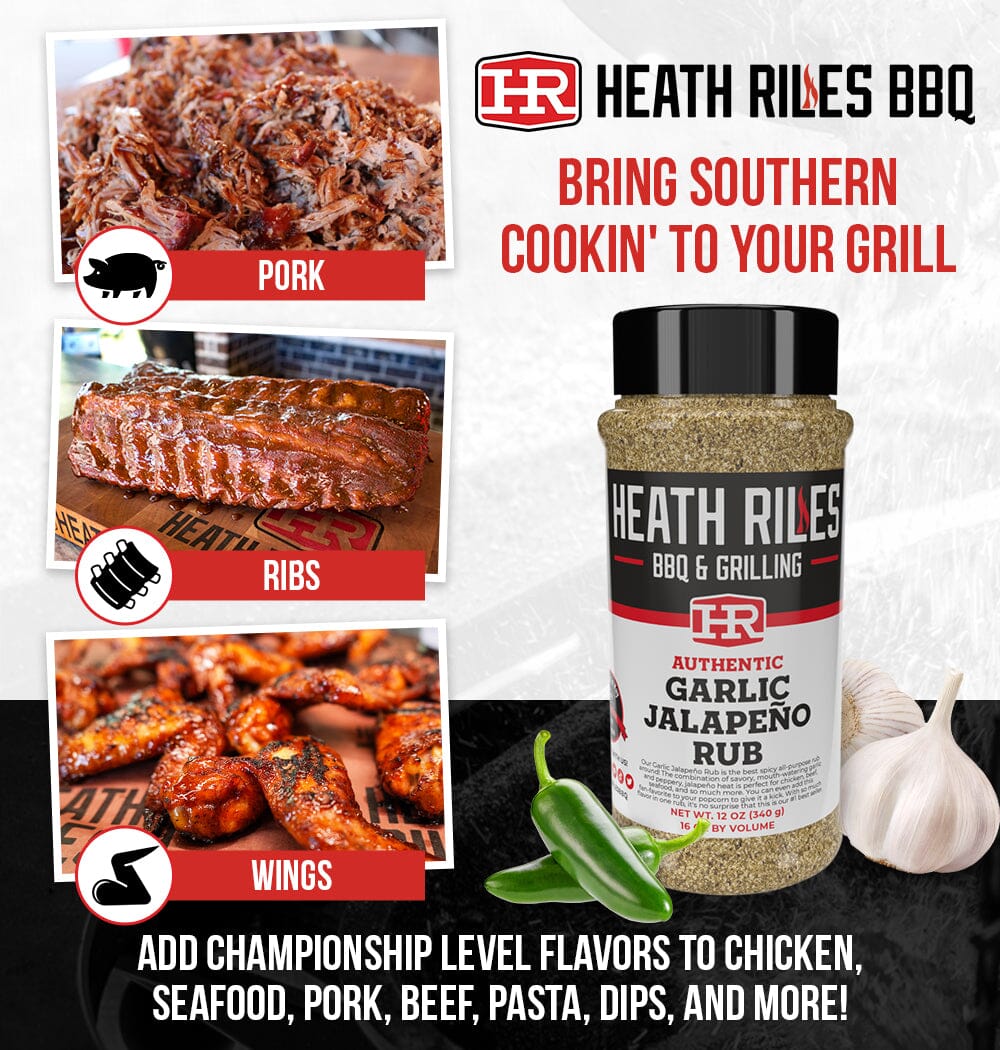
The hot and fast method dramatically reduces cook time while still delivering moisture, bark, and bold flavor. Seasoned with Garlic Jalapeño Rub, Competition BBQ Rub, and Beef Rub, then injected with Beef Injection, this brisket is a cold-weather win for pitmasters who want brisket results without an overnight cook.
Cook time: ~5 hours
Easy Oven Ribs
If going outside isn’t in the cards, this oven-baked rib method keeps things simple without sacrificing flavor. You’ll still build layers of seasoning, wrap for tenderness, and finish with a glaze like our Cherry Apple Habanero to get fall-off-the-bone ribs, all without stepping into the cold.
Cook time: ~3 hours
Your Winter BBQ Questions, Answered
What temperature is too cold for a meat smoker?
Cold temperatures make smokers work harder, but the limiting factor is less about air temperature and more about your pit’s ability to maintain consistent heat. Insulated smokers handle colder conditions better, while thinner pits require more fuel and longer recovery times.
Do Pellet smokers work well in winter?
Pellet smokers can struggle in cold weather due to increased fuel consumption and slower heat recovery, especially in thin-walled units. Proper fuel storage, longer preheats, and insulation can help improve performance.
How to keep a charcoal grill hot in winter?
Using dry fuel, limiting lid openings, protecting the grill from wind, and allowing extra time to preheat all help maintain higher, steadier temperatures when cooking with charcoal in cold conditions.


